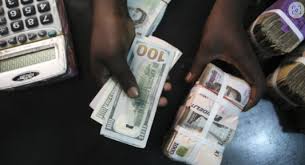
Depreciating Naira, surplus liquidity, and insecurity are some of the key factors driving the skyrocketing headline inflation in Nigeria, according to the National Bureau of Statistics (NBS).
New data released by the NBS shows that households’ final consumption spending increased to N141.69 trillion (purchasers’ value) in 2023, marking a 30.63 per cent rise from N108.47 trillion in 2021.
The report suggests that the tightening of monetary policy may fall short of controlling inflation effectively.
Despite Nigerians spending more money, the value of their money has decreased. By 2023, inflation will have cost consumers at least N7.61 trillion. The NBS statistics, detailed in the “Nigerian Gross Domestic Product Report (Expenditure and Income Approach) Q3, Q4 2023,” highlight this discrepancy.
In actual currency, Nigerians spent N52.45 trillion on household consumption in 2021. However, this figure dropped to N44.84 trillion in 2023, indicating a real decrease of N7.61 trillion. According to Investopedia, an item’s actual worth in economics is its nominal value less inflation.
Household spending, as defined by the Organisation for Economic Co-operation and Development, is the total amount of money spent by a household on final goods and services to meet basic needs, including clothing, food, housing (rent), energy, transportation, durable goods, medical expenses, entertainment, and other services.
The NBS attributed the fall in consumption expenditures in 2022 to difficult economic conditions and rising prices.
A report titled “Cost of Healthy Diet,” released by the Global Alliance for Improved Nutrition and the NBS, indicates that the cost of a nutritious diet increased by 110.7 per cent to N1,035 per day in April 2024, up from N491 per day in the same month the previous year.
According to the World Bank’s most recent “Nigeria Development Update” report, the number of impoverished Nigerians increased from 89.8 million to 104 million in 2023 due to high inflation.
In response, Nigerians are changing their lifestyles and spending less on luxury items. These changes include buying fewer clothes, dining out less, reducing on-the-go purchases like coffee or drinks, cutting down on grocery shopping, and reducing the number of subscriptions and memberships.
The Central Bank of Nigeria (CBN) has been raising its monetary policy rate, which has been at 26.25 per cent since May 2024, up from 24.75 percent in March, to combat skyrocketing headline inflation. However, the World Bank stated in its “Global Economic Prospects” report that this is not a solution to Nigeria’s current inflation crisis.