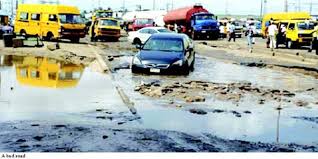
In Nigeria, the state of the roads has become more than just a daily inconvenience; it’s a significant barrier to economic progress. As vehicles dodge potholes and navigate crumbling asphalt, the costs ripple through the economy, affecting everything from transportation fares to the cost of goods and services. This feature explores why the federal government’s investment in repairing these roads is crucial for easing the burden on citizens and fostering economic growth.
The Economic Toll of Bad Roads:
Imagine a typical morning commute in Lagos or Abuja, where delays due to bad roads are routine. For ordinary Nigerians, this isn’t just a frustration; it’s a drain on finances. Vehicles endure more wear and tear, leading to higher maintenance costs for owners and operators. This, in turn, drives up transportation fares as operators try to cover these expenses. Consumers bear the brunt, paying inflated prices for everyday goods and services.
Impact on Businesses and Productivity:
Businesses face logistical nightmares when transporting goods across poorly maintained roads. Deliveries are delayed, and perishable goods risk spoilage. Small and medium enterprises, which form the backbone of Nigeria’s economy, struggle with increased operating costs that erode profitability. For industries reliant on efficient supply chains, unreliable roads stifle growth and discourage investment.
Safety and Social Implications:
Beyond economic factors, there are profound social consequences to neglecting road repairs. Accidents due to road hazards claim lives and leave families devastated. The human cost of inaction is immeasurable, compounded by the strain on emergency services and healthcare systems. Safe roads are not just a convenience but a basic right for every Nigerian citizen.
Government Responsibility and Accountability:
The responsibility for maintaining federal roads falls squarely on the government. Citizens rightly demand accountability for the taxes they pay, expecting infrastructure that supports economic activity and enhances quality of life. While budget constraints are a reality, effective allocation and utilization of funds can prioritize road repairs as a national imperative.
The Case for Investment:
Investing in road infrastructure is not a luxury but a necessity for Nigeria’s economic future. Improved roads facilitate faster transportation of goods, reduce travel times, and lower operating costs for businesses. This creates a ripple effect of economic benefits, stimulating growth, attracting investments, and creating employment opportunities.
International Competitiveness:
In a global economy, Nigeria’s competitiveness hinges on efficient infrastructure. Investors weigh the ease of doing business, including reliable transport networks, when deciding where to allocate resources. By modernizing its road network, Nigeria can position itself as a regional hub for trade and commerce, attracting foreign direct investment and enhancing its global standing.
As Nigeria strives for economic growth and development, repairing its roads is not merely an option but a prerequisite. The federal government’s commitment to infrastructure improvement is crucial for alleviating the financial burden on citizens, fostering business productivity, enhancing safety, and bolstering international competitiveness. By prioritizing road repairs, Nigeria can pave the way for a smoother journey towards prosperity for all its people.