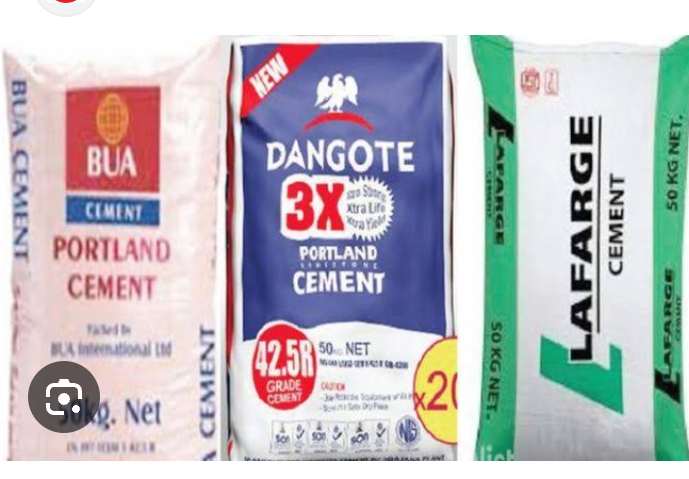
The high cost of cement in Nigeria despite local production can be attributed to several factors:
Energy Costs: Cement production is energy-intensive, and fluctuations in energy prices can significantly impact production costs. Unstable power supply, reliance on fossil fuels, and high energy costs can contribute to the overall cost of production.
Infrastructure Challenges: Poor infrastructure, such as bad roads and inefficient transportation systems, can lead to increased transportation costs for raw materials and finished products. This adds to the overall cost of cement production.
Exchange Rate Fluctuations: The Nigerian cement industry relies on imported machinery and raw materials. Exchange rate fluctuations can increase the cost of importing these essential components, leading to higher production costs.
Regulatory Issues: Compliance with various regulations, permits, and taxes can add to the operational expenses for cement manufacturers. Complex regulatory environments may lead to increased costs that are eventually passed on to consumers.
Supply Chain Challenges: Inefficiencies in the supply chain, such as delays in the procurement of raw materials, can disrupt production schedules and contribute to increased costs.
Market Dynamics: High demand for cement in the construction industry can drive up prices. Additionally, factors like increased construction activity, population growth, and urbanization can create a demand-supply imbalance, influencing the pricing of cement.
Production Capacity: Limited production capacity compared to the demand for cement in Nigeria can create a situation where manufacturers operate at maximum capacity, leading to increased costs and potentially higher prices for consumers.
Government Policies: Changes in government policies, taxes, or tariffs on cement production and distribution can impact costs. Manufacturers may adjust prices in response to shifts in regulatory frameworks.
Addressing these challenges requires a comprehensive approach involving government policies to support the manufacturing sector, investments in infrastructure, and improvements in the overall business environment. Efforts to enhance energy efficiency, reduce transportation costs, and streamline regulatory processes can contribute to a more competitive and affordable cement market in Nigeria.